


200 Custom Mesh Trucker Hats for an Icelandic Retailer
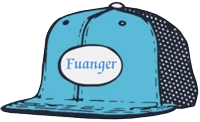
Fuanger helped an Icelandic retail client turn one logo and a reference cap from another brand into a production-ready custom hat project. We adjusted the logo for embroidery, prepared several digital mockups and refined the options with the buyer. The client then selected one mesh trucker cap and one cotton baseball cap for physical sampling. After receiving the samples, the buyer chose the six-panel mesh trucker cap for bulk production in two colors, with 100 pieces per color and 200 pieces in total. During bulk production, the buyer also requested more sample styles for possible later orders.
Project at a Glance
|
Project field |
Confirmed detail |
|
Customer |
Icelandic retail business specializing in casual apparel and headwear |
|
Initial input |
One logo and a reference cap from another brand; no finalized design or specification |
|
Artwork stage |
Logo adjusted into an embroidery-ready format and shown in several mockup versions |
|
Physical samples |
One six-panel mesh trucker cap and one cotton baseball cap |
|
Final bulk style |
Six-panel mesh trucker cap with front embroidery |
|
Quantity |
200 pieces in total, with 100 pieces in each of two colors |
|
Back detail |
Woven logo label on the snapback closure |
|
QC focus |
Embroidery, thread trimming, fabric condition, cap shape and overall appearance |
|
Delivery |
Finished order delivered on schedule |
|
Next step |
Additional sample styles requested during bulk production for possible later orders |
The Icelandic Retailer Started with a Logo but No Final Cap Specification
The client is a small retail business in Iceland, a Nordic country, that sells casual apparel and headwear. The buyer wanted to develop branded caps for physical retail sales and customer gifting, but the first inquiry was not a finished product brief.
At that stage, the customer had one logo and a reference image or style idea based on another brand's hat. The final cap construction, material direction, colors and design presentation had not been decided. The first task was to turn a general visual idea into options the buyer could compare.
Preparing the Logo for Embroidery
The original logo was adjusted into a format suitable for embroidery. The purpose was to make the artwork work as stitched decoration on a cap, not simply as a flat image on a screen.
Fuanger then prepared several mockup versions showing how the revised logo could appear on different cap directions. The buyer and our team discussed these versions and made further adjustments. Each new visual gave the customer a clearer basis for deciding what the finished hat should look like.
Digital Mockups Helped the Buyer Define the Product
The mockup stage was important because the buyer did not begin with a fixed material or cap type. Seeing the logo on several visual versions made the choices more concrete. The customer could compare the front-logo presentation, finished cap shape, color direction and the relationship between the logo and the hat.
After the artwork discussions, the buyer selected two versions for physical sampling: one mesh trucker cap and one cotton baseball cap. This moved the project from screen-based options to real products that could be handled and compared.
Physical Samples Compared Mesh and Cotton Constructions
The two physical samples represented different product directions. One used a six-panel trucker construction with mesh rear panels. The other was a cotton baseball cap. Both allowed the buyer to review the revised logo as embroidery on an actual cap.
After receiving the samples, the customer chose the mesh trucker cap for bulk production. The cotton baseball cap remained part of the development stage and was not included in the 200-piece bulk order.
The Final Order Used One Mesh Style in Two Colors
The first bulk order covered one approved six-panel mesh trucker cap style. The customer ordered 100 pieces in the selected color and added another color for a further 100 pieces, bringing the total to 200 caps.
The final hats used front embroidery and a woven logo label at the snapback closure. The approved physical sample and confirmed color directions were kept as production references.
Production Checks Followed the Approved Sample
Before shipment, Fuanger checked:
- Front embroidery and the appearance of the revised logo
- Loose-thread trimming and finishing
- Fabric condition and consistency between the two colors
- Six-panel cap shape and finished appearance
- Snapback closure and woven-label placement
More Sample Requests Began During Bulk Production
The buyer's product ideas continued to develop after the first samples were approved. During production of the 200 mesh trucker hats, the customer proposed more hat-style ideas and asked Fuanger to prepare additional samples for possible later orders. This follow-up remained a sampling project. The buyer also requested samples for additional styles during production of the initial order.
Final Result
The Icelandic project started with one logo and a reference cap style, then moved through embroidery artwork, several digital mockups and two different physical cap samples. The buyer selected one six-panel mesh trucker cap and ordered 200 pieces across two colors. Additional hat ideas entered sampling during bulk production, giving the customer a practical starting point for later product development.
Frequently Asked Questions
1. Can a custom cap project start with only a logo and a reference image?
Yes. This buyer began with one logo and a reference-cap idea but no final specification. Fuanger adjusted the artwork for embroidery and prepared several visual options before physical sampling.
2. Why does a logo need to be prepared for embroidery?
Embroidery turns artwork into stitches on fabric. Preparing the logo for this process helps the buyer review how the design can appear on the chosen cap before a physical sample is made.
3. Can mesh and cotton caps be sampled before choosing one style?
Yes. This project compared one mesh trucker cap with one cotton baseball cap. The buyer selected the mesh construction after receiving both physical samples.
4. What was included in the 200-piece bulk order?
The bulk order used one approved six-panel mesh trucker cap style in two colors. Each color accounted for 100 pieces. The cotton baseball cap was a sample only.
5. Can additional cap styles be sampled during bulk production?
In this project, the buyer requested more sample styles during production of the first 200 caps. These samples were intended to support possible later orders; no additional bulk quantity is stated here.
Starting with a Logo and a Cap Reference?
Send Fuanger your logo, reference images, expected quantity, preferred colors and intended use. We can review the artwork, prepare visual options and identify which cap constructions should be compared through physical samples.